Exploring the Next Generation of Aluminum Casting Automation
Wiki Article
The Function of CNC Finishing in Enhancing Light Weight Aluminum Factory Castings
CNC completing innovation substantially influences the manufacturing of aluminum factory spreadings. By achieving precise machining and remarkable surface quality, it aids meet extensive industry requirements. The process reduces and decreases issues rework, enhancing overall product performance. Furthermore, the aesthetic top quality of the spreadings is improved through progressed ending up methods. Comprehending the ins and outs of this innovation reveals its crucial duty in modern manufacturing, motivating a closer examination of its applications and future developments.Understanding CNC Finishing Technology
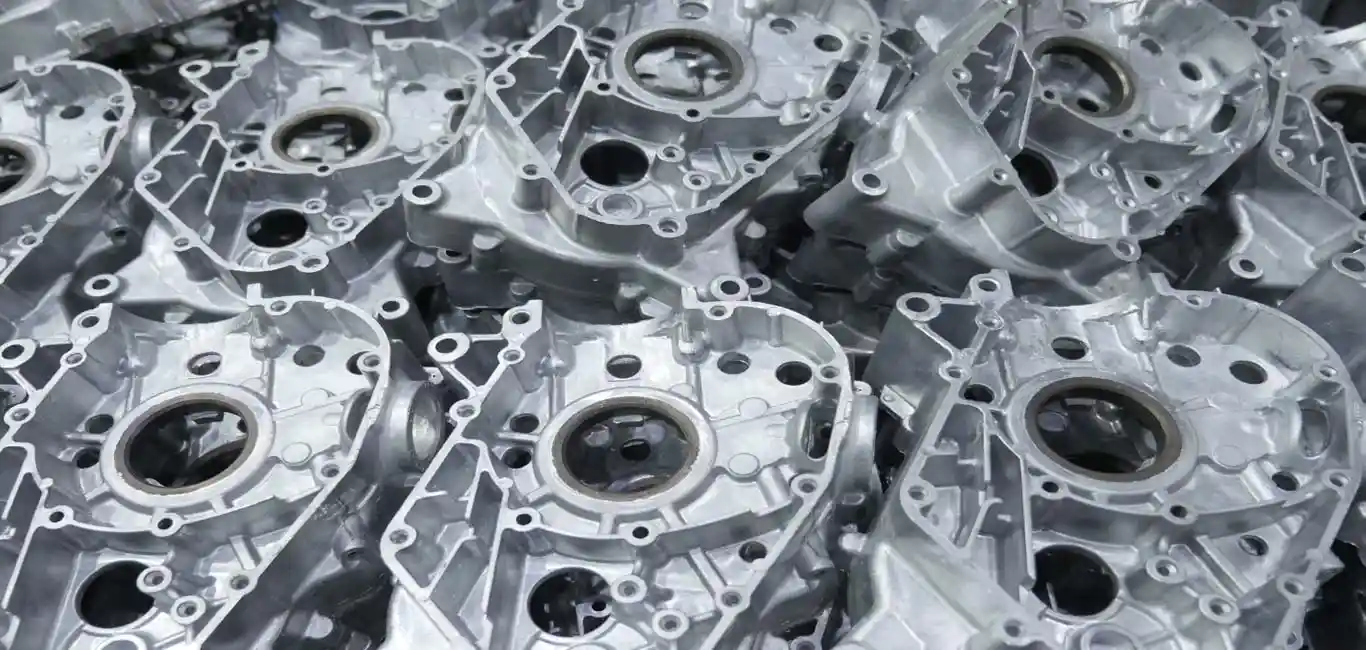
CNC completing innovation represents a substantial innovation in the precision machining of light weight aluminum castings. This technology makes use of computer numerical control (CNC) systems to automate the machining process, boosting precision and efficiency. By using sophisticated software application, CNC devices can translate complicated styles and implement elaborate cutting, boring, and milling jobs with marginal human treatment.The modern technology is specifically useful in the context of aluminum castings, which require exact resistances and surface area finishes. CNC ending up guarantees that each element satisfies specific specifications, decreasing the likelihood of flaws and improving general quality. The repeatability of CNC operations permits for harmony across production batches, which is essential for markets demanding high requirements.
As suppliers increasingly take on CNC finishing innovation, they profit from reduced manufacturing times and regular outcomes, placing themselves competitively on the market. This innovation marks an essential change in the abilities of aluminum spreading procedures.
Advantages of CNC Finishing for Aluminum Castings
While lots of machining methods exist, the advantages of using CNC completing for light weight aluminum castings are particularly considerable - Aluminum Foundry. CNC completing deals improved precision, making certain that components meet specific specifications and tolerances. This degree of accuracy minimizes the risk of issues, which can result in pricey rework or item failures. In addition, CNC finishing improves surface high quality, leading to smoother surfaces that are visually pleasing and functional, particularly for applications calling for tight tolerancesOne more advantage is the increased efficiency in production, as CNC equipments can operate continuously with very little human treatment. This enables higher result and reduced labor expenses. CNC innovation facilitates the creation of intricate geometries that may be challenging to attain through traditional techniques, expanding design opportunities. In general, the integration of CNC ending up into light weight aluminum casting processes not only boosts product quality but likewise adds to functional performance and style flexibility.
The CNC Finishing Process Explained
The CNC finishing process involves a collection of exact techniques created to improve the surface quality of aluminum castings. This section will lay out the different CNC ending up strategies, the advantages they provide, and their applications within the domain of light weight aluminum spreadings. Recognizing these facets is essential for optimizing manufacturing and attaining desired specs in finished items.CNC Finishing Techniques Summary
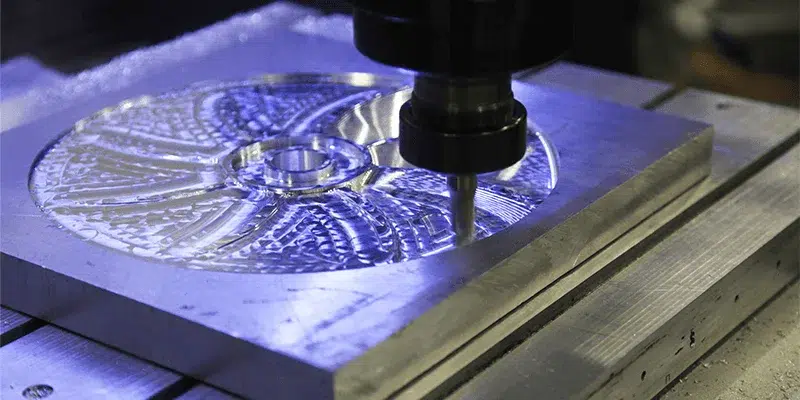
Accuracy defines the CNC ending up procedure, where light weight aluminum castings undergo numerous techniques to achieve optimal surface area high quality and dimensional accuracy. Usual methods consist of milling, transforming, and grinding, each matched for specific applications. CNC milling entails eliminating product making use of revolving cutters, enabling for intricate forms and shapes. Transforming, on the various other hand, uses a revolving workpiece versus a stationary reducing device, excellent for cylindrical attributes. Grinding is utilized for achieving great surface area coatings and tight tolerances. Furthermore, strategies such as anodizing or polishing might be applied post-machining to secure and boost aesthetics against deterioration. Each technique plays a vital function in guaranteeing that the last item fulfills strict specs and efficiency demands in diverse markets.Advantages of CNC Finishing
CNC finishing offers numerous advantages that substantially improve the overall top quality and functionality of light weight aluminum spreadings. This precision-driven procedure assurances tight tolerances and exceptional surface area finishes, which are critical for applications needing high efficiency and longevity. CNC completing lowers the risk of human mistake, giving constant results across several parts. The automation of the ending up procedure not only raises performance however likewise lowers manufacturing costs by minimizing material waste. Additionally, CNC finishing enables complex geometries and intricate styles to be accomplished, increasing the layout possibilities for engineers and developers. The boosted surface top quality obtained from CNC techniques improves the aesthetic charm of the castings while additionally promoting better bond for treatments and finishes, leading to longer-lasting products.
Applications in Aluminum Castings
Applications for light weight aluminum castings benefit greatly from the CNC ending up procedure, which improves both functionality and performance. This modern technology is critical in sectors such as automobile and aerospace, where accuracy and toughness are crucial. CNC ending up enables the manufacturing of intricate styles and limited tolerances, guaranteeing that actors components fit effortlessly into bigger assemblies. In addition, the process improves surface area high quality, causing minimized friction and wear, which is especially advantageous for moving components. The capability to develop complicated geometries also opens up opportunities for light-weight frameworks, which contribute to total power effectiveness. Inevitably, CNC finishing not just elevates the aesthetic charm of light weight aluminum spreadings but likewise maximizes their operational effectiveness, making it a valuable possession in modern-day production.Quality Assurance Steps in CNC Finishing
Quality assurance procedures are essential in CNC ending up to ensure the stability and precision of aluminum castings. Techniques such as precision measurement, surface integrity assessment, and defect detection play a vital function in preserving high requirements throughout the completing process. Executing these steps helps to identify and rectify potential problems before last manufacturing, eventually improving product top quality.Precision Measurement Techniques
Effective precision measurement techniques are necessary for ensuring the greatest standards in light weight aluminum spreading surfaces. These methods involve making use of innovative devices such as coordinate determining devices (CMMs), laser scanning, and optical comparators to accomplish accurate dimensional analyses. By using these techniques, producers can spot discrepancies in resistances and preserve consistency across production runs. In addition, the combination of electronic dimension systems enhances real-time monitoring, enabling immediate modifications during the CNC finishing process. This proactive strategy not just lowers scrap prices however also improves overall item top quality. Implementing rigorous dimension protocols ensures that castings satisfy stringent specs, consequently cultivating self-confidence in the end item and reinforcing the online reputation of the foundry in an affordable market.Surface Stability Analysis
Defect Discovery Methods
Many defect detection approaches are utilized in CNC ending up to assure aluminum spreadings meet strict quality requirements. Aesthetic examination continues to be an essential approach, allowing drivers to recognize surface area abnormalities and variances. Additionally, non-destructive screening (NDT) strategies, such as eddy and ultrasonic current testing, are utilized to find subsurface defects without jeopardizing the stability of the components. Automated optical assessment systems additionally enhance issue detection by utilizing sophisticated imaging technology to examine surface area features. Additionally, dimensional examination using coordinate gauging devices (CMM) ensures that castings stick to precise requirements. By integrating these diverse methods, CNC ending up processes can efficiently recognize and address prospective flaws, inevitably improving product quality and performance, while making sure conformity with sector criteriaInstance Studies: Successful Applications of CNC Finishing
As markets progressively demand precision and quality in aluminum castings, successful applications of CNC finishing have actually arised as crucial instance research studies. One noteworthy example is the vehicle industry, where makers applied CNC ending up to create detailed get rid of limited resistances. This strategy decreased the requirement for hand-operated completing, decreased manufacturing time, and boosted general component performance.In aerospace, a leading company embraced CNC completing to fine-tune intricate elements, causing lighter frameworks without endangering toughness. The precision accomplished via CNC modern technology allowed for much more effective assembly processes and boosted the rules of aerodynamics.
Furthermore, a clinical device supplier used CNC completing to produce aluminum housings for surgical instruments. The smooth and precise coatings not just satisfied rigorous regulatory requirements but also improved the instruments' performance and durability - Aluminum Foundry. These study illustrate how CNC ending up significantly enhances the quality and efficiency of light weight aluminum castings throughout numerous markets
Future Patterns in CNC Finishing for Aluminum Foundries
The advancements in CNC finishing technology are positioned to substantially affect aluminum foundries in the coming years. Increased automation and the integration of fabricated knowledge will allow for even more effective and accurate machining processes. This change will enable foundries to generate complicated geometries with reduced cycle times, boosting efficiency and reducing waste.Additionally, the surge of additive manufacturing techniques, such as 3D printing, is anticipated to match CNC finishing, supplying cutting-edge services for intricate style requirements. As sustainability ends up being a priority, environmentally friendly machining techniques and making use of recyclable materials will likely get traction in the sector.
.jpg)
Regularly Asked Concerns
Just How Does CNC Finishing Influence the Total Price of Aluminum Castings?
CNC completing can substantially impact the general cost of light weight aluminum spreadings by boosting manufacturing efficiency and minimizing product waste. The first financial investment in CNC innovation may increase in advance prices, stabilizing lasting savings against temporary expenditures.What Products Can CNC Finishing Be Applied to Besides Aluminum?
CNC ending up can be related to various materials besides light weight aluminum, consisting of steel, brass, copper, plastics, titanium, and compounds. Each product advantages in different ways from CNC procedures, boosting accuracy, surface quality, and general item efficiency.Is CNC Finishing Eco-friendly?
CNC finishing is typically thought about eco-friendly, as it lessens product waste with accuracy machining. Furthermore, innovations in coolant and lubrication technologies further reduce environmental impact, promoting a more sustainable manufacturing process overall.
Exactly how Lengthy Does the CNC Finishing Refine Typically Take?
The CNC finishing procedure typically takes anywhere from a few hours to a number of days, depending browse around this site on the complexity of the part, the product being processed, and the specific demands of the finishing jobs included.What Safety And Security Actions Are Vital During CNC Finishing Workflow?
Necessary precaution throughout CNC ending up procedures consist of using individual protective equipment, guaranteeing appropriate machine guarding, maintaining a clean work space, sticking to secure handling treatments for materials, and carrying out regular tools evaluations to stop accidents.The CNC completing procedure includes a series of accurate strategies developed to enhance the surface area top quality of light weight aluminum spreadings. Accuracy specifies the CNC ending up process, where aluminum spreadings go through different techniques to accomplish optimal surface area high quality and dimensional accuracy. CNC finishing offers various advantages that substantially improve the overall top quality and performance of aluminum spreadings. Applications for aluminum spreadings benefit significantly from the CNC completing procedure, which enhances both performance and efficiency. Surface honesty evaluation plays a vital role in making sure that CNC completing processes generate high-grade aluminum spreadings.
Report this wiki page